Illegal Gambling and Regulatory Oversight - Bulgaria and the European Experience
 Bulgaria
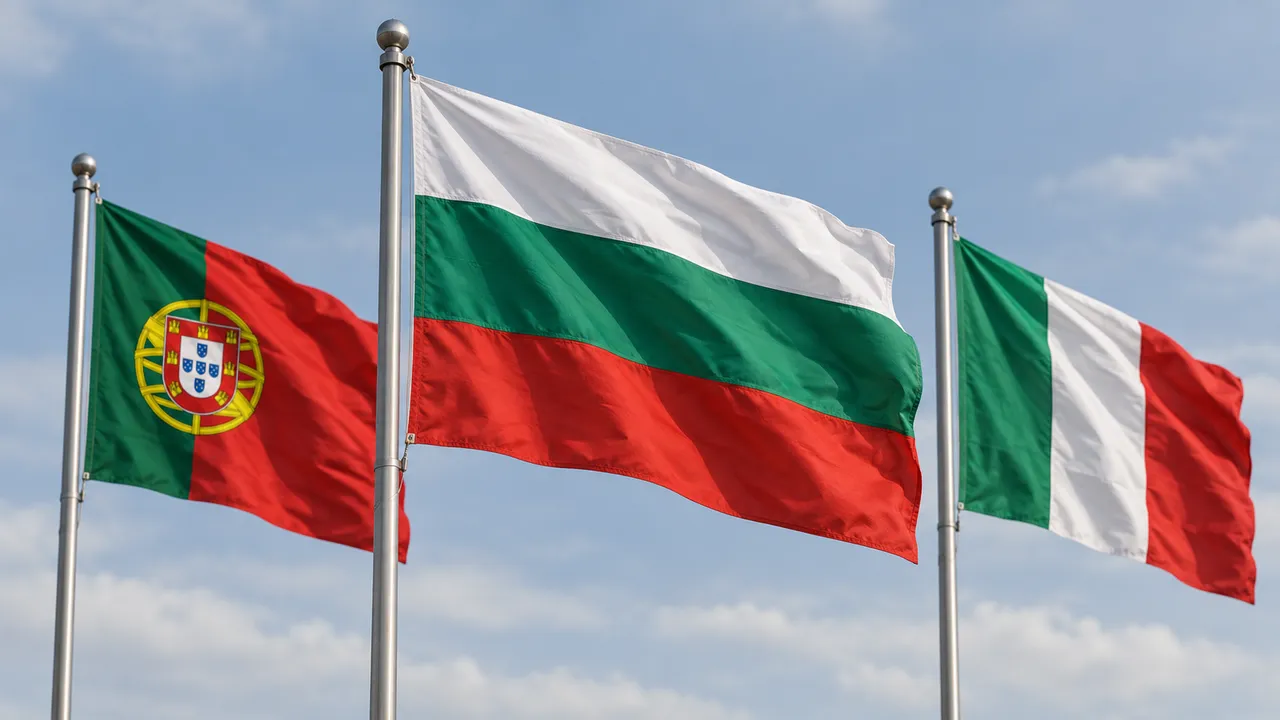
Portugal’s experience shows why restrictions on licensed operators need to be supported by capable institutions and consistent action against illegal gambling.
As 2026 draws towards its close, Bulgaria’s gambling sector faces a changing market and decisions that will shape its operating conditions. The number of gaming halls is declining, online gambling licences are increasing, and the network of privately operated betting shops is expanding. According to the National Revenue Agency (NRA), there were 56 fewer licensed gaming halls at the end of September than at the end of the previous year.
The package of legislative amendments proposed in September adds further uncertainty to business planning. Higher fees, broader advertising restrictions and technical reporting requirements will require adjustments if adopted. As of mid-October, the proposals remain under public consultation. For operators, they could mean spending on systems, reviewing contracts and deciding which investments can proceed. The impact will depend on both the final requirements and the time allowed for preparation. Frequent changes make planning difficult, particularly for smaller businesses.
One important question remains: how will the state curb illegal gambling while increasing the requirements placed on licensed operators?
Portugal’s experience - effective oversight requires resources
Portugal offers a useful example of the practical demands of regulation. Its gambling regulator, SRIJ, issues notices requiring unlicensed operators to cease their activities, sends website-blocking notifications to internet service providers and refers cases to prosecutors. It reports publicly on this work. In the first quarter of 2026 alone, it issued notifications requesting the blocking of 183 websites.
This does not mean Portugal has solved the problem. What is significant, however, is that the country is also seeking specialists to support enforcement. A recruitment process for inspectors announced in March included positions in information technology, control systems and data integrity. Online gambling oversight requires precisely this kind of technical expertise.
The Portuguese parliament has also raised the question of institutional capacity. Its recommendations to the government call for faster action against illegal gambling domains and their promotion on social media, measures targeting the payment intermediaries that serve them, and adequate resources for inspections. These proposals set out an agenda for strengthening enforcement, whose implementation will need to be assessed.
For Bulgaria, the main lesson lies in the relationship between legislation and the ability to enforce it. New powers must be backed by staff, technology and effective cooperation between institutions.
What can be expected of the Bulgarian authorities?
The NRA already identifies unlicensed websites, publishes decisions and maintains registers. A procedure exists for restricting access through court orders addressed to internet service providers, alongside channels for reporting suspected violations. These mechanisms provide an important foundation. Assessing their effectiveness, however, requires knowing how quickly an identified violation leads to access being blocked—and what happens afterwards. Is the reappearance of the same operation monitored? Are there enough specialists and technical resources for ongoing monitoring?
These are reasonable questions to ask as stricter rules are being prepared. Public reporting would be more informative if, alongside the decisions issued, it showed their outcomes: restrictions implemented, repeat violations and follow-up action.
For compliant businesses, this is directly linked to competition. They bear the costs of licensing, reporting and consumer protection. If operators outside the regulatory framework continue to reach the same audience, additional obligations could widen the competitive imbalance.
The same risk applies to advertising. Restricting messages aimed at children and vulnerable people serves a clear public purpose. Achieving that goal also requires action against illegal operators attracting customers online.
Italy’s debate deserves attention
The Italian debate raises an important question - how can advertising restrictions protect consumers while still allowing them to recognize licensed operators? The Italian Football Federation has called for a review of the ban on bookmaker advertising and sponsorship, questioning its effectiveness and highlighting its impact on sports funding.
AGCOM’s guidelines issued in the summer of 2026 maintain the ban but allow licensed operators to identify themselves under certain conditions in responsible gambling communications. This distinction matters - consumers should be able to recognize which operators hold a license and are subject to regulatory oversight. Illegal gambling websites can appear just as accessible and appealing, without providing the safeguards required in the regulated market.
For Bulgaria, this issue directly concerns the operating conditions of compliant businesses. They pay taxes and fees, invest in reporting systems and fulfil consumer protection obligations. Any increase in these requirements should be accompanied by consistent action against operators that evade them. Otherwise, the burden on legal businesses risks growing while illegal operators continue to reach the same consumers.
Predictable timelines and clear rules will help the licensed sector prepare for the changes. Confidence in the reform, however, will also depend on tangible results against unlicensed activity, including illegal advertising and the reappearance of blocked websites.
A sustainable legal gambling market is part of consumer protection. Effective regulation should therefore support responsible businesses and limit opportunities to profit outside the law.


 Czechia