From Licensing to Advertising - the State Is Rewriting Gambling Rules
 Bulgaria
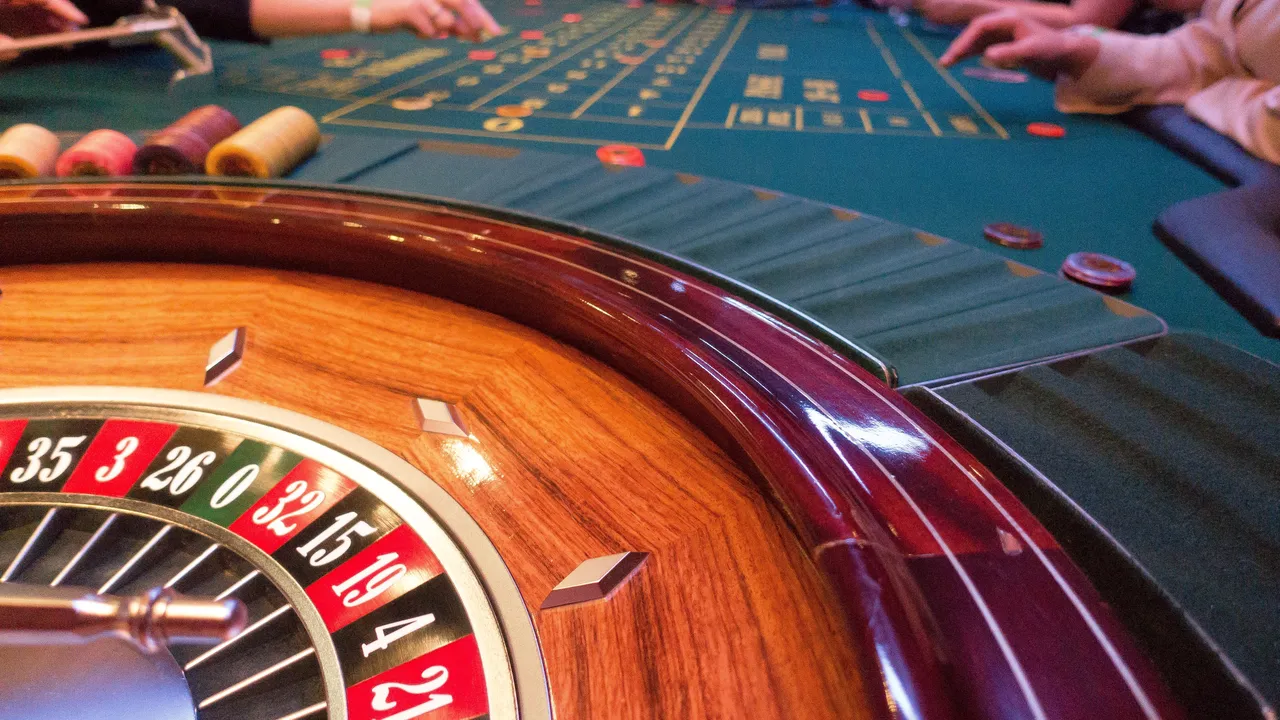
A new taxation model for land-based casinos and gaming halls, a broader advertising ban and additional reporting requirements are proposed in amendments to the Gambling Act, approved by the Council of Ministers and submitted to Parliament on 11 November. The package covers both land-based and online gambling and includes a mechanism to support sport.
A significant change is proposed to the taxation of land-based casinos and gaming machine operations. From 2028, the alternative tax would be replaced by a two-component state fee: a one-off licensing component and a variable component of 20% of the difference between stakes received and winnings paid out. The proposed monthly minimums are:
- €200 per gaming machine or, as applicable, per playing position on the machine;
- €4,500 per roulette wheel or gaming table;
- €1,000 for other gaming equipment.
These minimums would not be payable for months in which no gambling activity takes place. Before the transition to the new model, the bill provides for an increase in the alternative tax in 2027. Gaming halls and casinos would also be connected to the National Revenue Agency’s system in 2027 to submit information on stakes and winnings automatically. The bill sets a compliance deadline of 30 June 2027, while the ordinance establishing the conditions and procedures for connection must be issued by 31 March.
Alongside the financial changes, the bill restricts gambling advertising. The general ban retains specific exceptions, including necessary information on operators’ websites and at licensed premises, exterior signage and sports sponsorship under certain conditions. It also provides for the termination of affiliate operators’ licences to promote gambling.
Sports sponsorship remains permitted, and the bill would also allow part of the variable fees for online betting and the other games covered by Article 30(3) to be directed to certain sports clubs and federations, the Bulgarian Olympic Committee and the National Paralympic Organization. The requirement that the funds support only “non-commercial activities related to sport” raises the question of how these activities will be distinguished from recipients’ commercial activities. Clear criteria are essential because, if the funds are used for other purposes, the gambling operator must repay them to the state budget, together with statutory interest.
The package also introduces a requirement for foreign online gambling operators to conduct and account for their licensed activities through a permanent establishment in Bulgaria.
The bill has not yet passed its first reading. As of 12 November, it has been referred to parliamentary committees for consideration, with the Budget and Finance Committee taking the lead. No date has been announced for a second reading. The National Assembly has yet to determine the final scope of the amendments and the deadlines for their implementation.


 Poland